
The equipment set formed by specification describes the available equipment configuration. Benzene Line supports the preparation of a wide range of carbon-containing sample materials for radiocarbon analysis, with sample selection and pretreatment adapted to the material and analytical objective. See the radiocarbon sample preparation overview for the material-dependent workflow.
Radiocarbon Dating
Benzene line technology is used for radiocarbon dating, producing benzene based on different sample materials: wood, charcoal, bone, peat, soil, shell, and carbonate. It is suitable for processing carbon dioxide or methane samples as well.
It includes all equipment required for processing of carbon samples by transformation: Carbon → Carbide → Acetylene → Benzene, including production, capture, purification and conditioning.
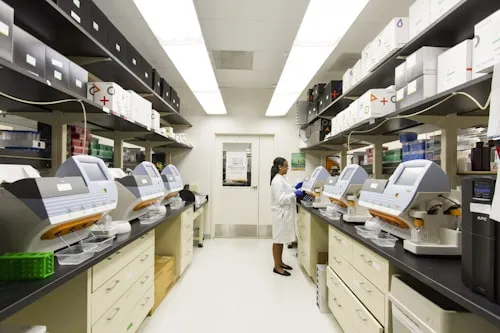
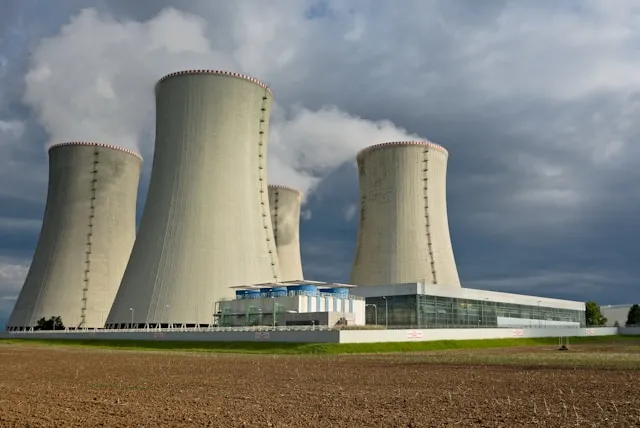
Impact of Nuclear Installation
Systematical and temporal variations of radiocarbon in air cause corresponding variations in annual plants and annual growth in trees (tree rings). Tissues of plant and animal in the NPP vicinity obtain their C-14 concentration depending on food pathway and sources impacting air, water and soil.
The preparation line can be used with selected plant and animal tissues and appropriate carbon fractions recovered from air, water and soil samples for transformation into benzene and radiocarbon measurement by liquid scintillation counting (LSC).
Bio-based Percentage
Benzene line application and following LS counting of benzene sample enables calculation of the fraction of bio-based content in fuel (bio-diesel and waste fuel), plastic and raw materials. It is a promising approach compared to one based on partial mass calculation for each fraction corresponding to the mixture.
Sample Processing
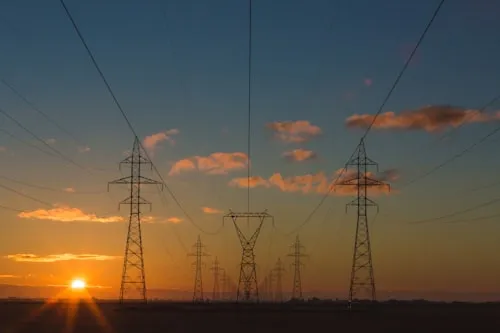
Benzene samples can be prepared according to traditional approaches based on processing of charcoal or carbon dioxide. Modern approaches based on vacuum pyrolysis can support processing of selected non-homogeneous carbon-containing materials with different volatility and provide a direct route to lithium carbide under the conditions of the described method. This can be important when processing small samples.
Modern radiocarbon analysis involves a variety of sample materials which can be processed in the benzene line using vacuum pyrolysis in one or two steps depending on sample material(s) and matrices analyzed.